
Hi. Bonjour. 你好.
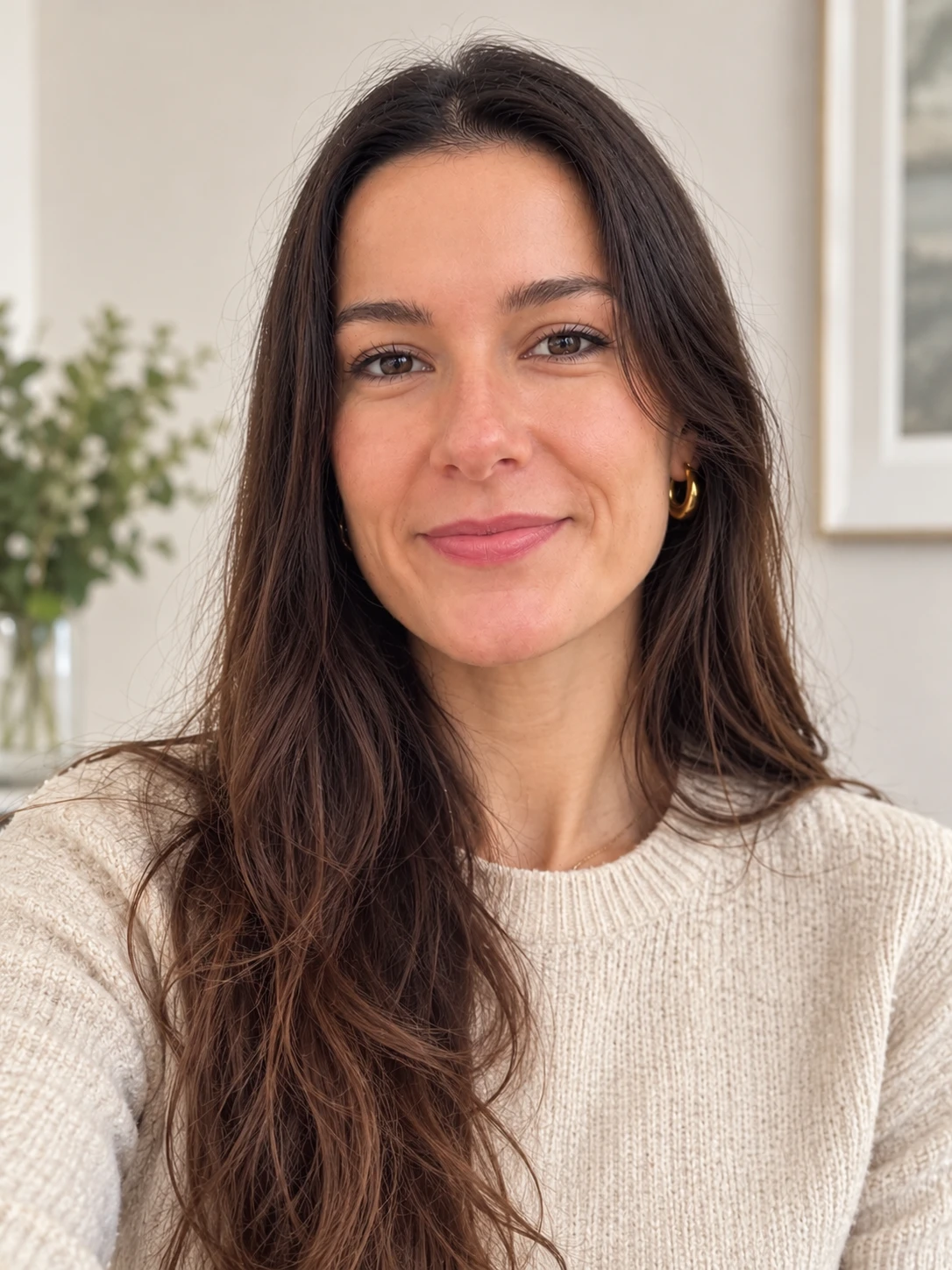
I'm Amélia, a service and product designer. I design experiences, digital or not, around how people trust, choose and use a service, and how their culture shapes all three.
I grew up in France, where I studied intercultural digital strategy. I started as a product manager, moved into UX and UI, then studied and worked in service design, to see services as whole systems, with every actor in them, not only end users. I’ve designed for fintechs, start-ups and scale-ups across Europe, and I now run the website user experience of Cycloid, a French company building internal developer portals and platforms for DevOps teams. Whatever the project, I use user research, service mapping and interface design as one practice.
Ask me
What does my design process look like?
The double diamond, adapted to the team I’m in: understand the problem before designing the answer, then keep checking that answer with the people it’s for. In practice, it runs in small loops alongside the team’s sprints, and it starts with what the company already knows: its data, its customer conversations, the service itself and the people who run it. Then I choose the methods that fit the question and what’s within reach, depending on whether I can meet users or not. Whatever the method, I look at three things together: what people do, why they do it, and what they say. That picture is what I bring back to the team, so we decide together where design will make the most difference. And empathy runs all the way through: built with people, in their own context and culture.
How do I handle different views on a design?
I see design feedback as part of the work: the people around a design often know things I don’t. When a teammate or stakeholder suggests a change, rather than debating the change itself, I ask what led to it: the goal or concern behind a suggestion is where a real conversation can start. Then we look at it together: I share more of the thinking behind my choices, drawn from my experience and what we know about the users and the context, and listen to theirs. When we still see it differently, I come back with new options that include their idea, and let users or the data guide the decision. What I avoid is the compromise that tries to please everyone: a design made for everyone ends up working for no one.
How has AI changed my design process?
It changed where my time goes, not my thinking or my method. AI is a tool that makes me faster and stretches what I can do. With analytics and behaviour data connected in one place, I reach clearer findings sooner, and spend the time saved where it matters: framing the right questions and working close to real users. It also shortened the distance between a decision and its impact: designs go live sooner, so I can see how people respond, measure adoption and improve while it still counts. And it changed who I design for: people, and now AI as well. AI tools crawl the web, so a website has to be relevant to them too. In the end, designing for AI is another way of reaching people. What stays mine: the judgement, and keeping user data out of tools that shouldn’t see it.
What’s my biggest weakness?
Not so fast, that’s one for an interview! But here’s the obvious one: I can’t resist a good coffee. Shall we have one? Email me
Work
- 2024 – nowCycloidWeb designerCase study →
- 2023 – nowService Design Lab, Aalborg UniversityResearch affiliate
- 2024AffectureService designer
- 2021 – 2024HowdyUX/UI designerCase study →
- 2023Du Bubble TeaService designerCase study →
- 2022EIVEEUX designerCase study →
- 2021More Music TechnologiesService designerCase study →
- 2020 – 2021make!mpactProduct managerCase study →
- 2020ABNAUX/UI designer
- 2020CBS Squash ClubGraphic designer
Education
- 2021 – 2023Aalborg University, DenmarkMSc Service Systems Design
With honoursService mapping, service interactions, product design, prototyping, UX design, programming, business strategy. - 2019 – 2021ISIT Paris, FranceMA Intercultural Digital Strategy
First of the classErgonomics, UX design, cartography, data design, project management, coding, SEO, intercultural communication, translation.Taught in French, English and Mandarin. - 2019Beijing Foreign Studies University 北京外国语大学, ChinaMandarin Chinese studies